
Transfarming Switzerland
Chapter One - New Beginnings


by Sabina Diethelm, Thomas Machowicz and Shelley Sunjka
Photography by Sabina Diethelm
Produced on assignment for We Animals
Transfarming Switzerland is a project produced in 2022 by Sabina Diethelm and Sanctuary Doc cofounder, Thomas Machowicz for We Animals. We’re sharing it here in four chapters. Want to see more? Watch the award-winning short film on YouTube.
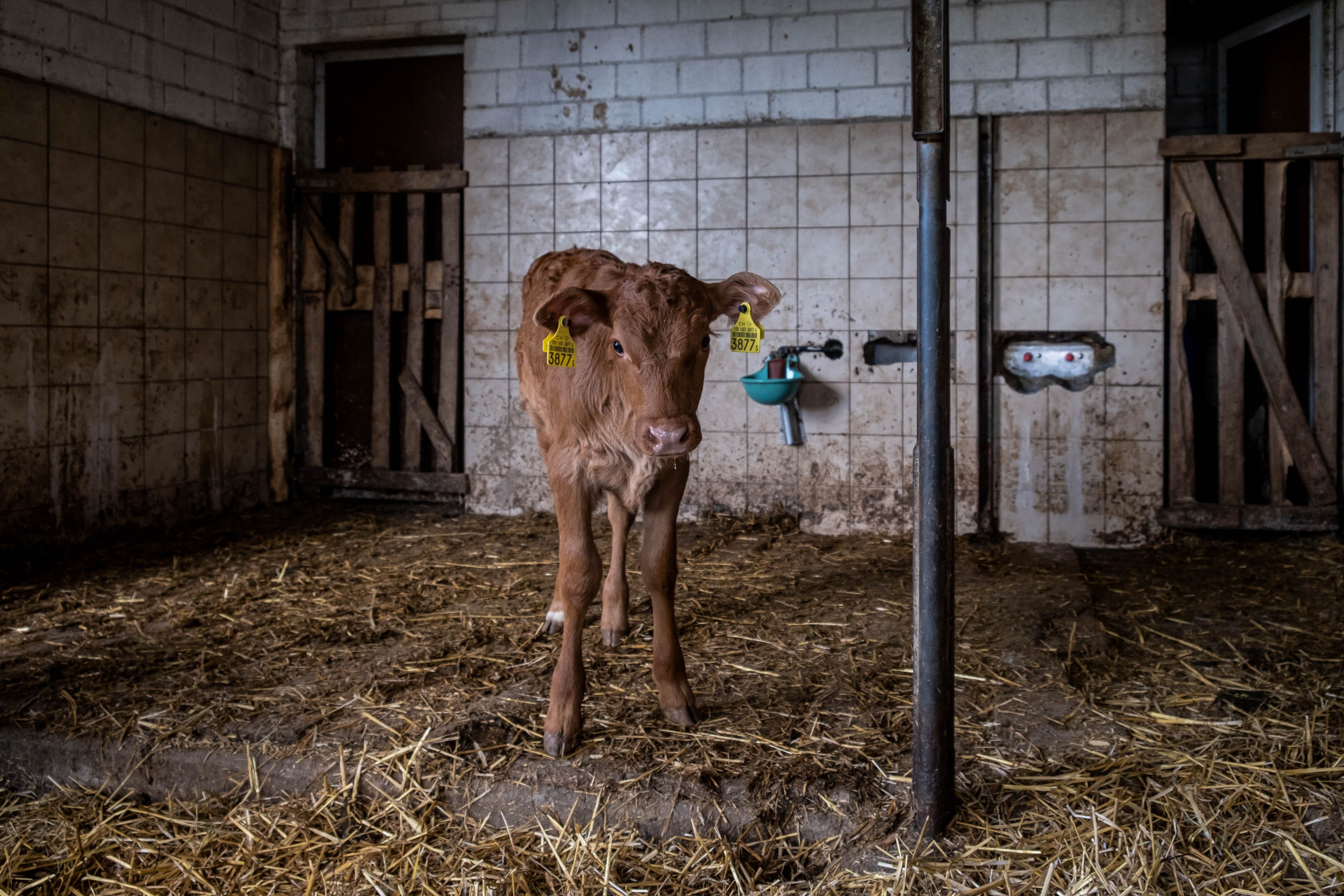
With its picturesque landscapes of mountains, alpine pastures and traditional family farms, Switzerland has long been admired for its rural beauty.
Switzerland Tourism advertises scenes of cows grazing on lush meadows, reinforcing the country’s reputation as a land of milk, chocolate and cheese. But behind these idyllic images lies a different reality; one of exploitation and suffering of millions of animals kept for the production of meat and dairy products.
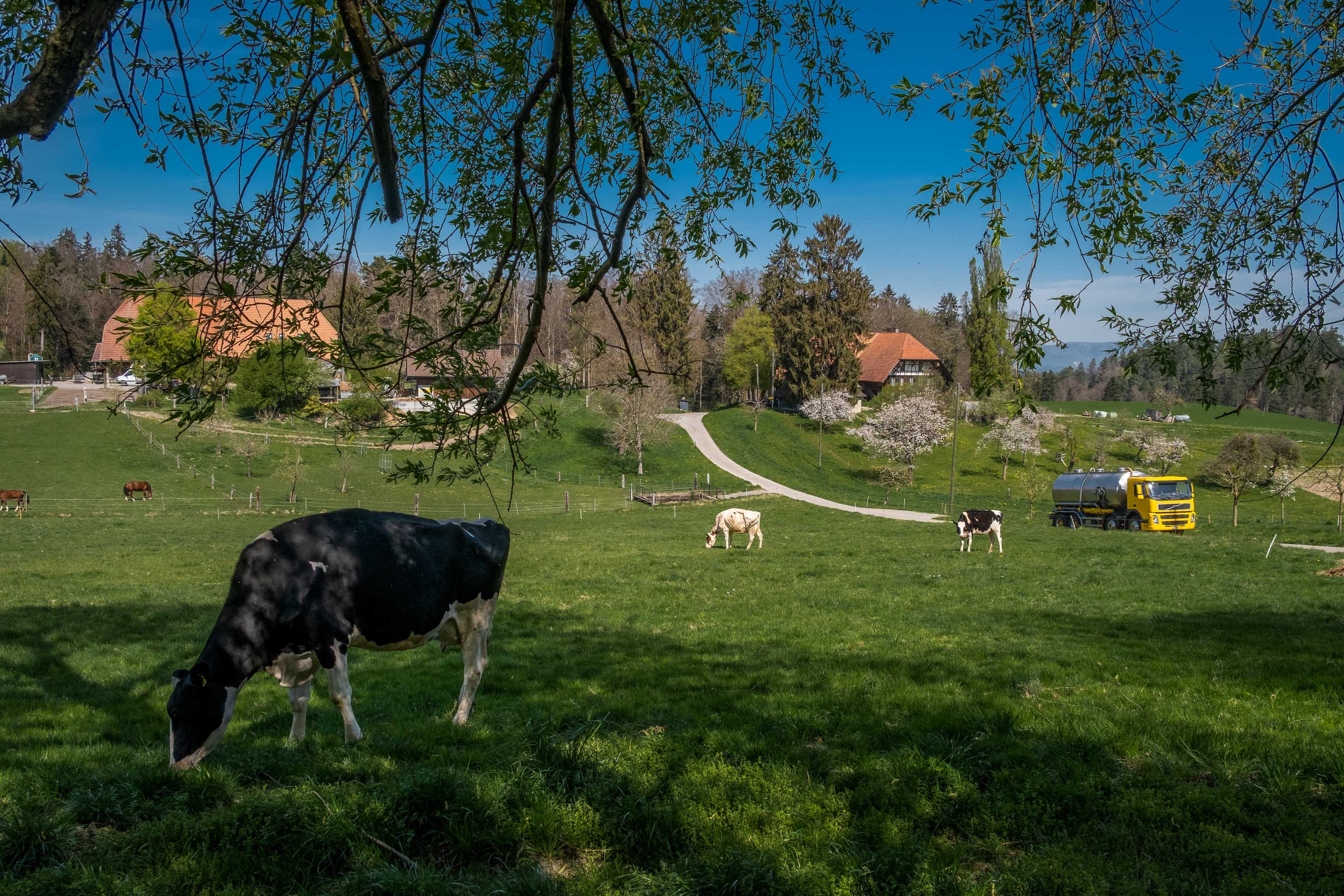
But what happens when the farmers themselves can no longer stand this reality, no longer want to exploit and kill animals and are searching for a way out?
In April 2022, filmmakers and photographers Thomas Machowicz and Sabina Diethelm visited Switzerland on assignment for We Animals in order to photograph and create a documentary film about the work of one extraordinary woman who has made it her life’s mission to reimagine traditional farming practices.
Her name is Sarah Heiligtag and she helps farmers transition from livestock farming to plant-based, vegan farming. She assists them in building sanctuaries where animals are no longer treated as commodities but as sentient beings with the right to live free from harm.
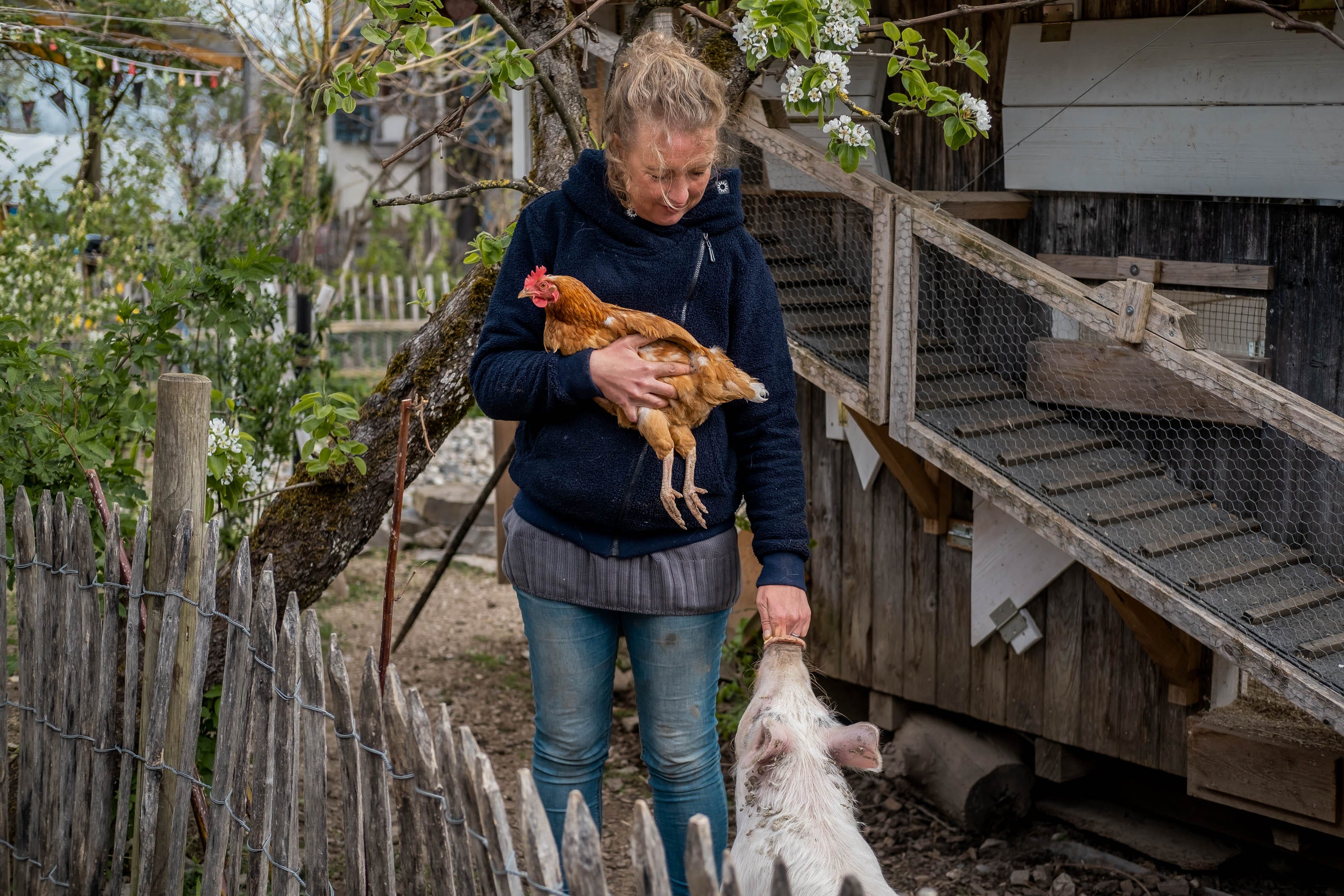
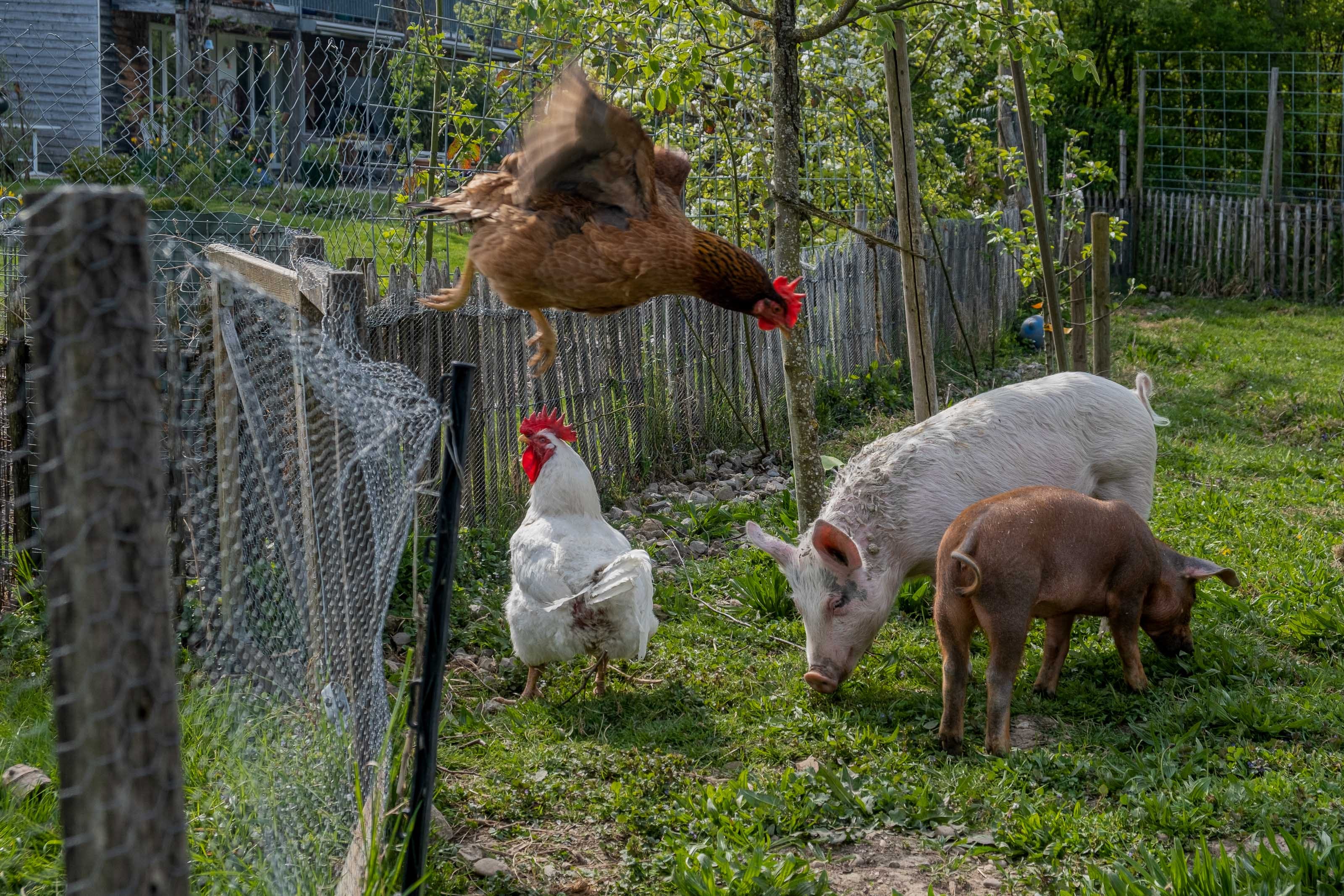
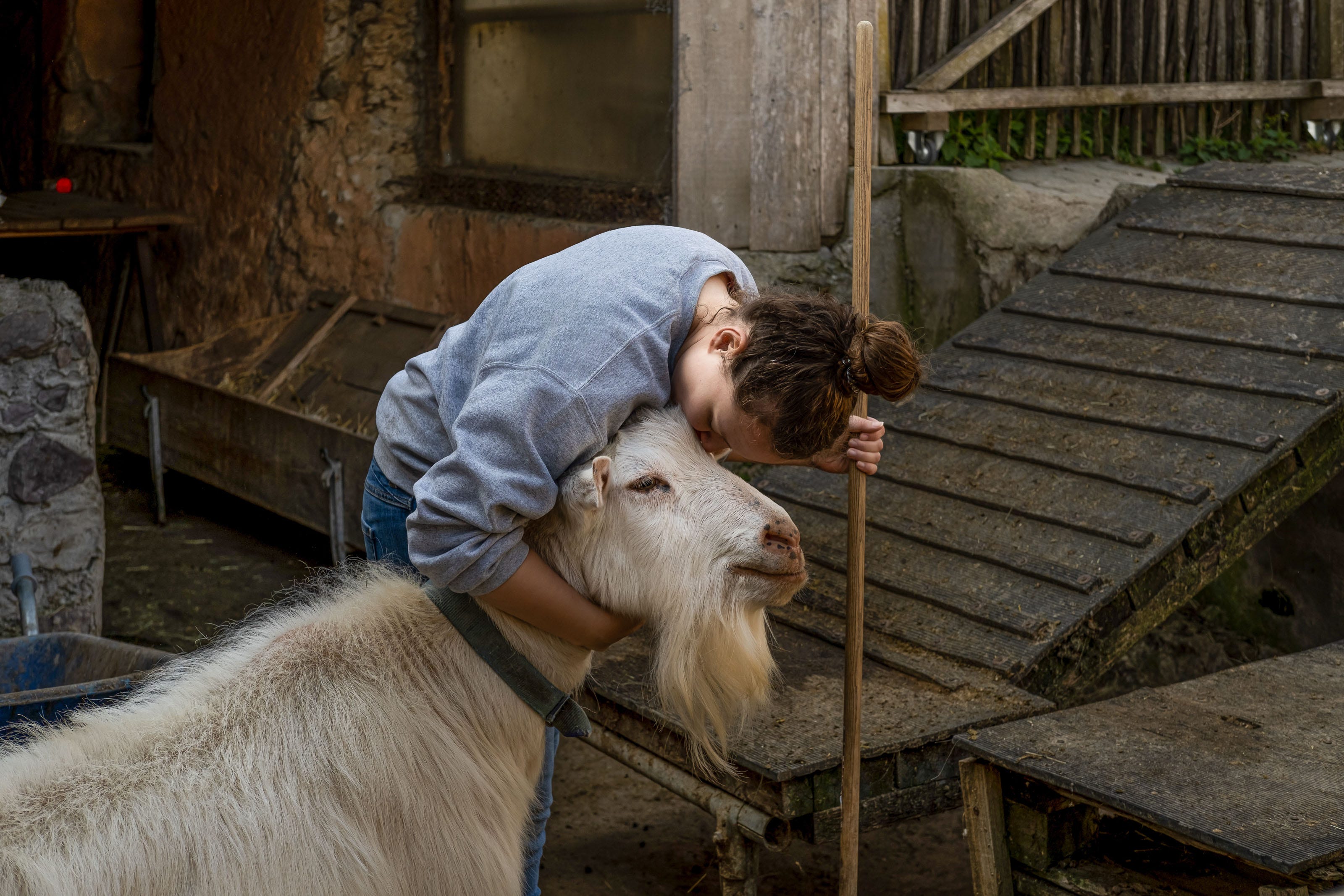
“My ‘why’ started when I was a child. I love animals and I always tried to help them in one way or another.”
- Sarah Heiligtag
As the founder of her own vegan farm and sanctuary “Hof Narr” and of the concept she termed “transfarmation”, Sarah recognized early on the environmental and ethical consequences of raising animals for food. Instead of just opposing traditional farming practices outright, she works with farmers who can no longer reconcile their actions with their values.
She advocates for a model of farming that benefits the entire ecosystem, but she doesn’t preach her way to farmers, she works with those who ask for help.
It all started when in 2013, Sarah and her husband leased a farm in Hinteregg near Zurich and transformed it into a vegan sanctuary. They called it “Lebenshof” - German for “Farm of Life.” They have provided a peaceful home to over 200 rescued animals, ranging from pigs and goats to horses and donkeys, to chicken and ducks, and they produce vegetables.
Her peaceful Lebenshof caught the attention of a farmer disillusioned with the cycle of animal exploitation. No longer willing to exploit animals, he sought her help to change his farm, too. This successful transformation sparked media attention and inspired more farmers to follow suit.
From there, it snowballed and by 2023, Sarah had helped more than 100 farms across Switzerland transition from animal-based farming to sustainable, vegan farming, turning farms into sanctuaries, with many others currently undergoing the same process.
Accompanied by Sarah, Thomas and Sabina traveled across the country to visit some of these farms; some have already made a successful transition, others are still in the early stages.
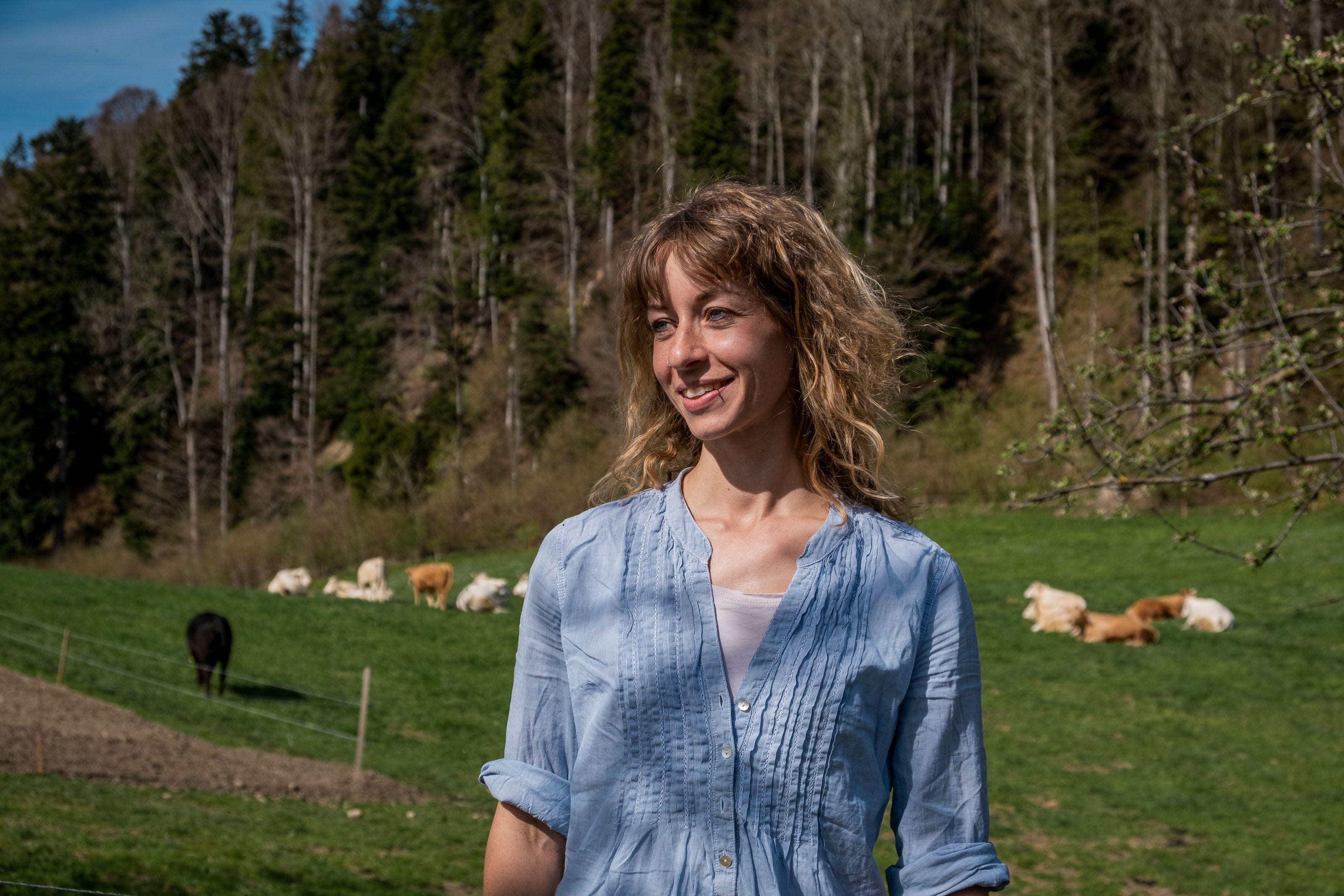
“I just realized that it was getting more and more difficult for me. Everytime I knew somebody would have to leave, a bull or a cow, I would not be able to sleep for a week and have this weight on my chest.”
- Selina Blaser
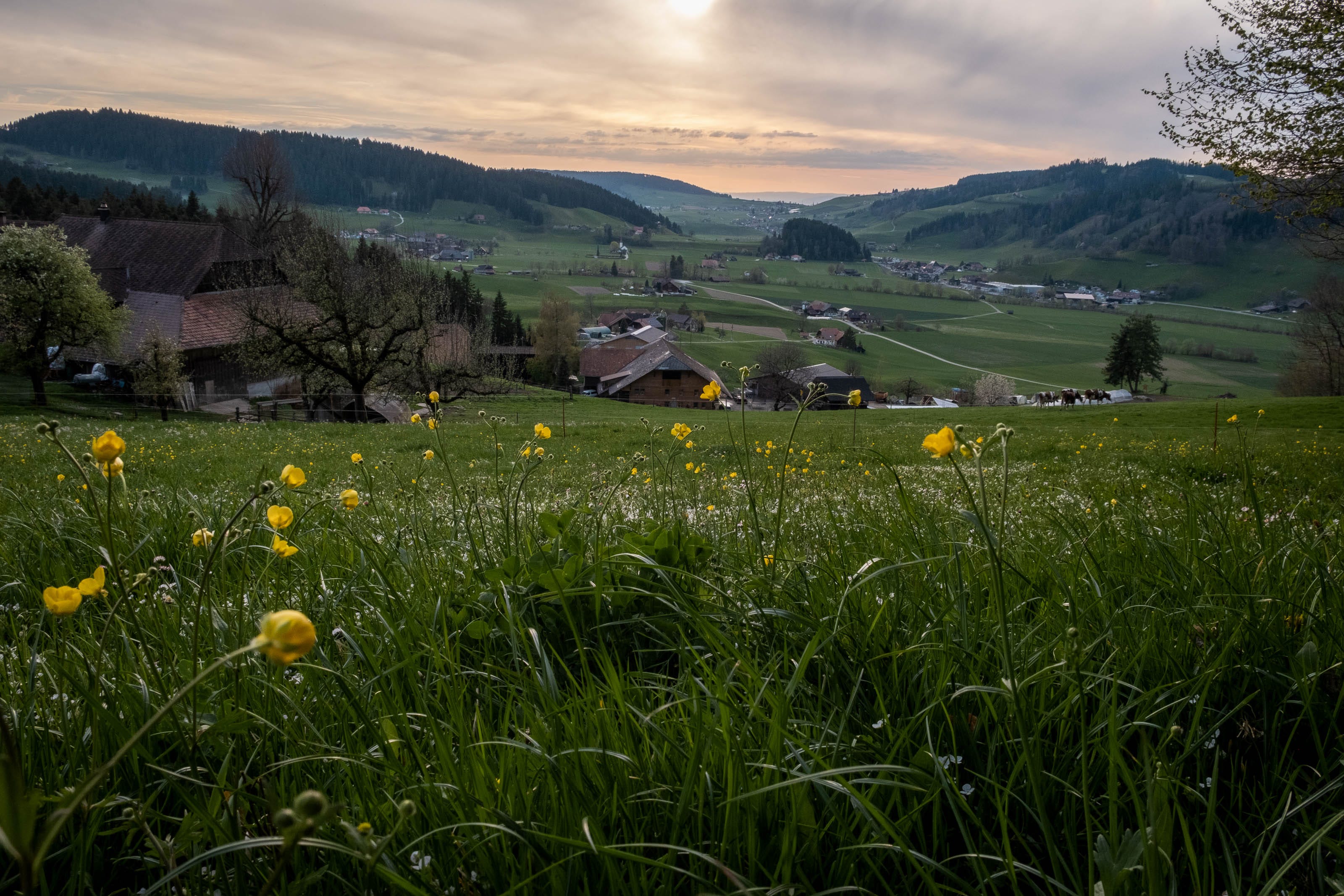
Our journey takes us to the Emmental Valley of Bern, Switzerland. Here, a traditional beef farm has become a vegan enterprise under the guidance of Sarah Heiligtag.
As a young couple, Selina and Adrian Blaser took over Adrian’s parents’ beef farm in 2020 and were facing a moral quandary from the outset. Selina in particular felt deeply troubled by the treatment of animals as commodities and could not reconcile with the practice of slaughtering calves once they reached so-called market size.
Her empathy was especially drawn to an older cow who had birthed 13 calves, and was due to be slaughtered soon. Selina’s desperate search for alternatives led her to Sarah Heiligtag and her transfarmation work.
Sarah stresses that the “transfarmation” process is more than a simple technical shift, it’s a deeply emotional journey for the people involved. Her work addresses not only the environmental and ethical implications of animal agriculture, but also the human struggles inherent in breaking away from tradition.
Most farmers take over the family business from their parents; a business which has been passed down from generation to generation, and it is not easy for them to break with family traditions and practices. This was the case for Selina and Adrian, too.
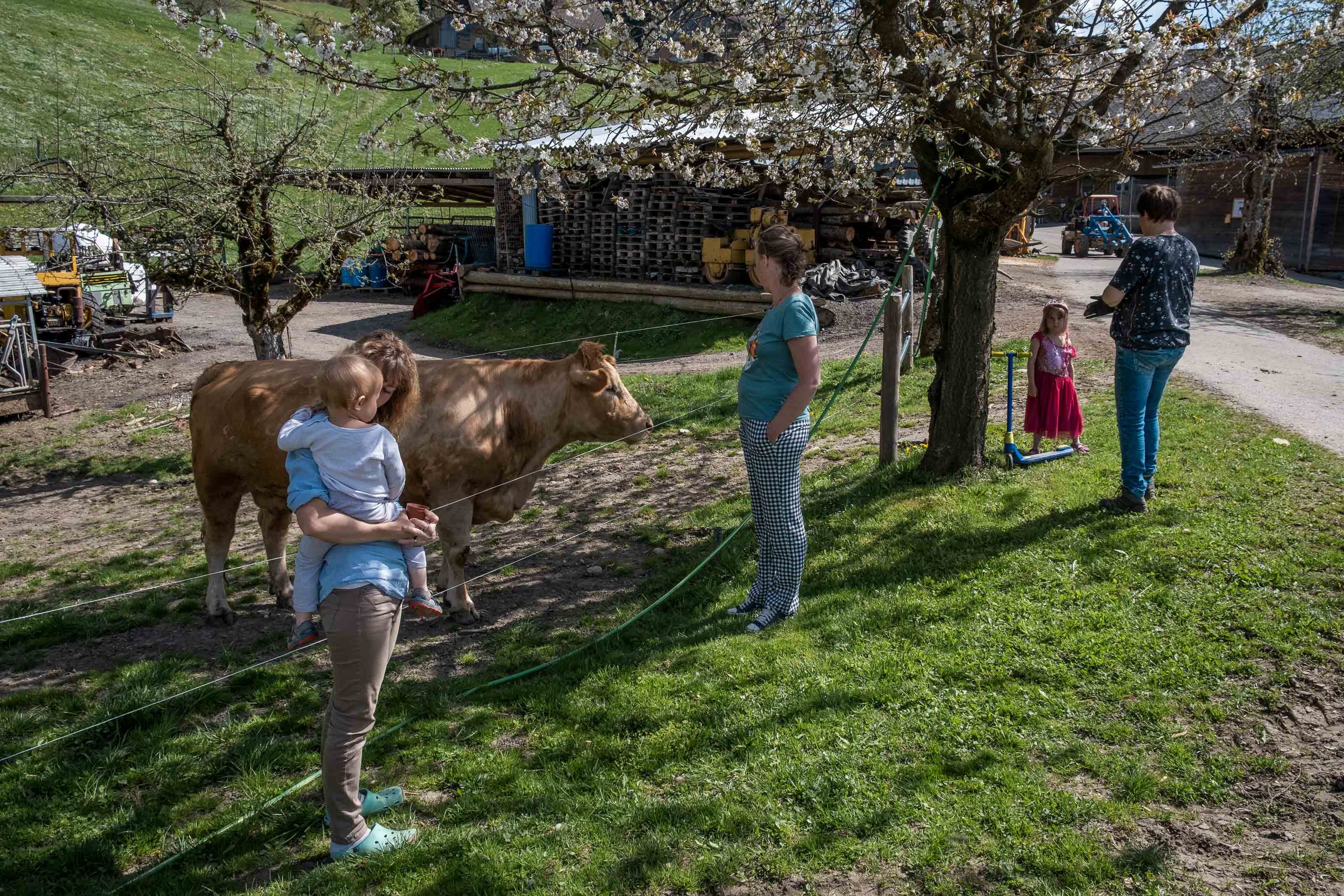
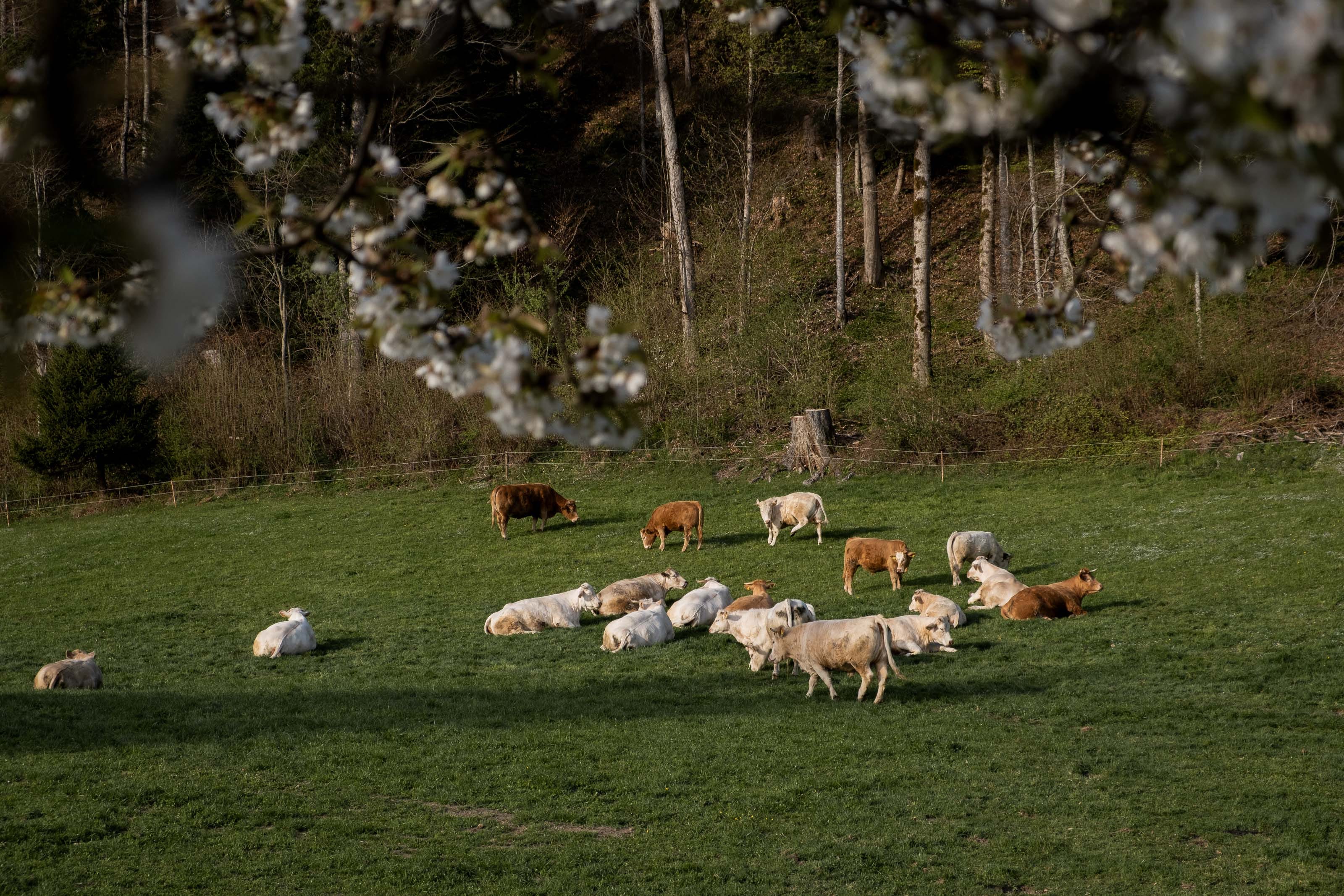
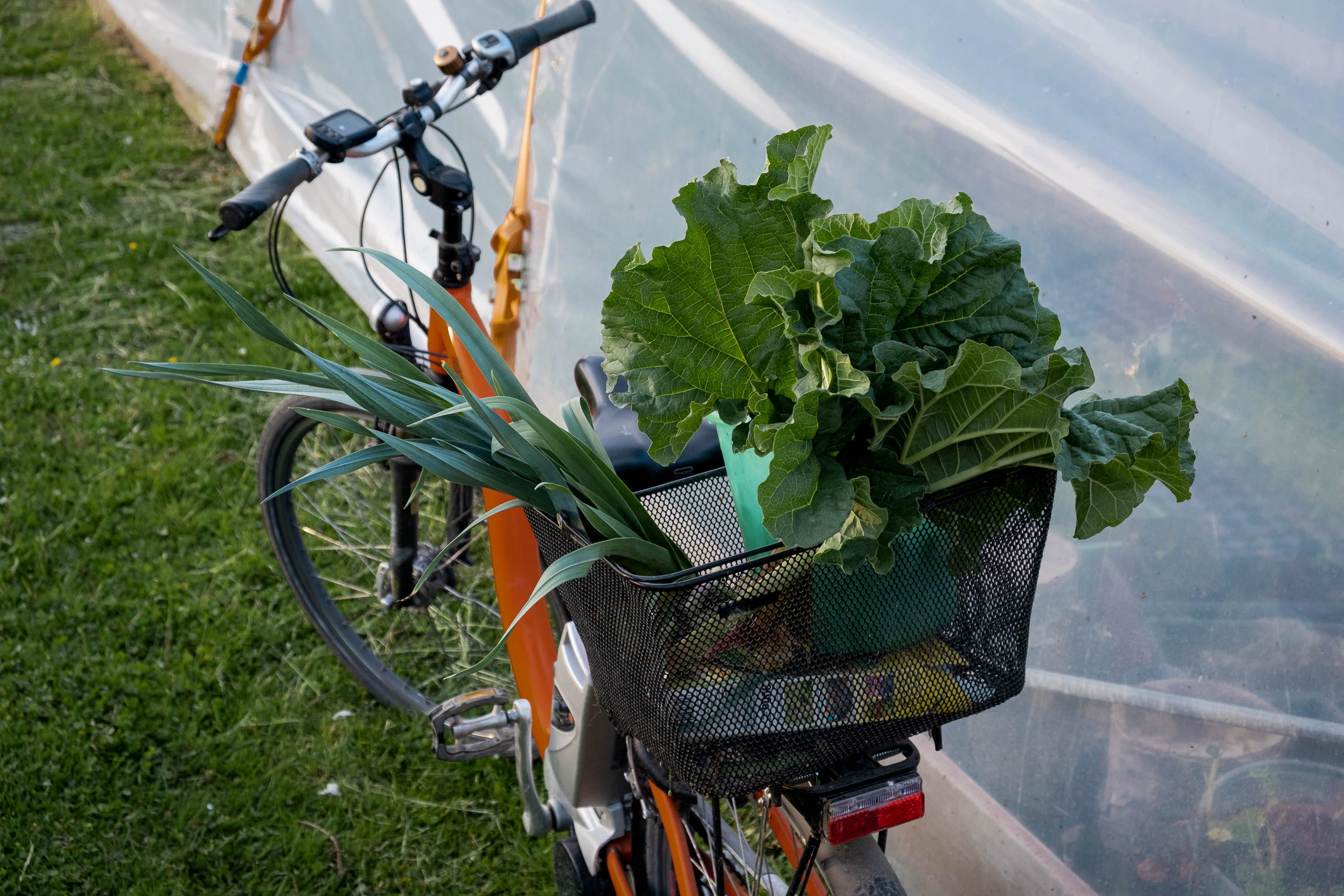
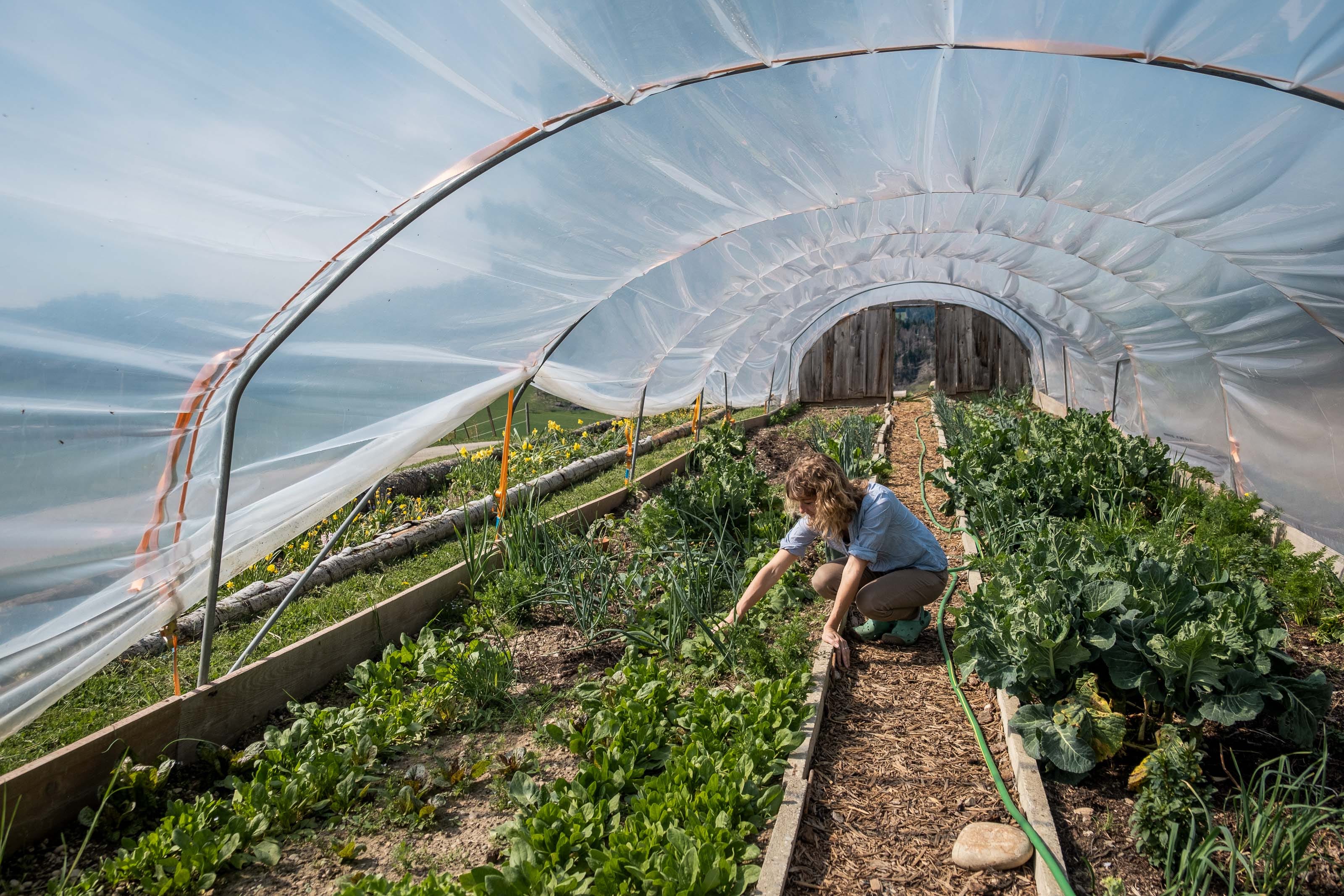
While Selina and Adrian are a wonderful example of what can be achieved when a farmer has the support to make the ethical changes they want to, not every transfarmation goes so smoothly. Many farmers are confronted with old patterns of thinking that span generations and find it difficult to fight against what has always been considered “normal”.
 | A guest post by
|
 | A guest post by
|